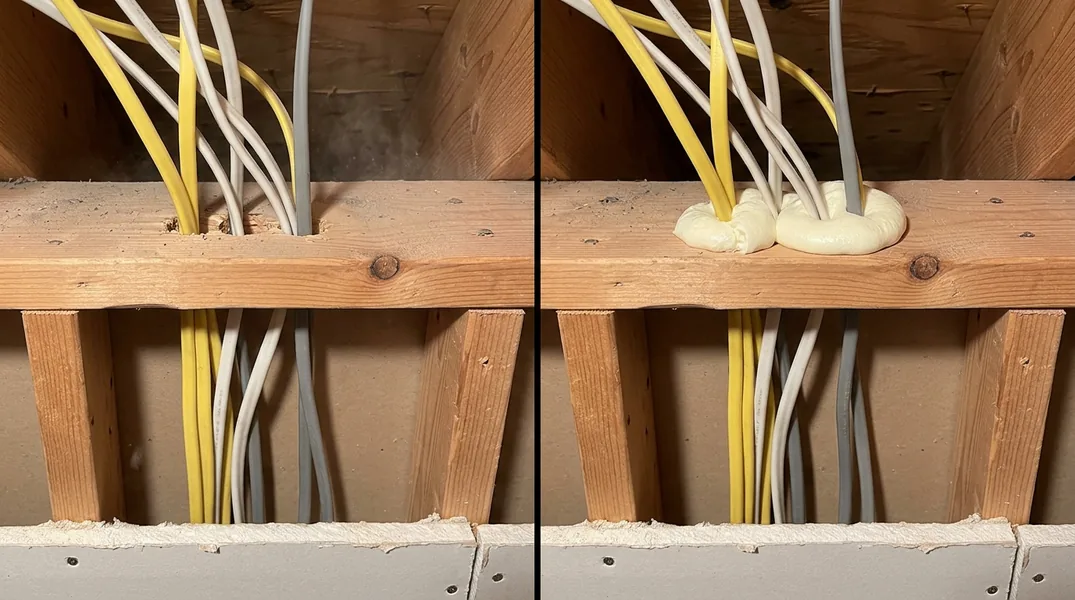
Understanding Spray Foam Insulation for Attics
When it comes to keeping your Brownsville home comfortable and energy-efficient, attic spray foam insulation has become one of the most popular choices among homeowners. Unlike traditional fiberglass batts or blown-in cellulose, spray foam creates an air-tight seal that prevents conditioned air from escaping and outdoor heat from entering. This is especially important in the South Texas climate, where summer temperatures regularly exceed 95 degrees and humidity levels can be stifling.
Spray foam insulation comes in two main varieties: open cell and closed cell. Both types are applied as a liquid that expands and hardens into a solid foam, but they have distinctly different properties, performance characteristics, and price points. Understanding the differences between these two options is crucial for making the right choice for your home's specific needs and your budget.
What Is Open Cell Spray Foam Insulation?
Open Cell Spray Foam Insulation is a lighter, more flexible type of foam that contains cells that are not completely closed. This means the foam is more permeable to air and moisture, allowing water vapor to pass through. Open cell foam typically has an R-value of around 3.5 to 3.6 per inch, making it a good insulator but not the most efficient option available.
One of the main advantages of open cell foam is its cost effectiveness. It's generally less expensive than closed cell foam, making it an attractive option for budget-conscious homeowners in Brownsville who still want to upgrade their attic insulation. Additionally, open cell foam is excellent at sound dampening, which can help reduce noise from outside or between rooms. The flexibility of open cell foam also makes it ideal for filling irregular spaces and cavities in older homes.
However, open cell foam does have limitations. Because it allows moisture to pass through, it's not ideal for areas with high humidity or potential water exposure. In Brownsville's humid climate, this is an important consideration. Open cell foam also offers less structural support and lower moisture resistance compared to its closed cell counterpart.
What Is Closed Cell Spray Foam Insulation?
Closed Cell Spray Foam Insulation is a denser, more rigid foam where the cells are completely enclosed. This creates a barrier that is impermeable to both air and moisture. Closed cell foam boasts an impressive R-value of 6 to 6.5 per inch, nearly double that of open cell foam. This superior insulating power means you need less thickness to achieve the same thermal resistance.
The primary advantage of closed cell foam is its exceptional performance in hot, humid climates like South Texas. Because it's impermeable to moisture, it provides excellent protection against humidity infiltration and potential mold growth. Closed cell foam also offers superior structural reinforcement, actually adding strength to your attic framing. For homeowners concerned about creating a truly sealed attic insulation system, closed cell foam is the premium choice.
The trade-off is that closed cell foam is significantly more expensive than open cell foam. The higher material costs and the need for specialized equipment and trained technicians to apply it properly contribute to the increased price. Despite the higher upfront investment, many homeowners find the superior performance and longevity of closed cell foam justify the expense, particularly in demanding climates.
Comparing Performance in Brownsville's Climate
Brownsville's subtropical climate presents unique challenges for home insulation. With average summer temperatures in the low 90s and humidity levels that can exceed 70 percent, your attic experiences intense heat gain and moisture infiltration. The choice between open cell and closed cell spray foam becomes more than just a cost consideration; it's about which product will perform best under these specific conditions.
Closed cell foam excels in Brownsville's environment because of its impermeability to moisture. When humid air enters your attic, it can condense on cooler surfaces and promote mold growth and wood rot. Closed cell foam creates an unvented attic spray foam system that prevents this moisture intrusion entirely. Additionally, the higher R-value means your air conditioning system won't have to work as hard to maintain comfortable indoor temperatures, potentially reducing your energy bills significantly.
Open cell foam can still be effective in Brownsville if your home is well-maintained and your attic is properly ventilated. However, the humidity concerns make it a less ideal choice for many homeowners in the area. If you're considering open cell foam, ensure your attic has adequate ventilation and that you're prepared to monitor for moisture issues over time.
Attic Spray Foam Insulation Cost in Brownsville: What to Budget
Understanding the financial investment required for spray foam attic projects is essential for planning your home improvement budget. Open cell spray foam typically costs between 40 to 60 cents per board foot, while closed cell foam ranges from 1 dollar to 2 dollars per board foot. For an average attic of 1,500 square feet, you might spend between 3,000 to 6,000 dollars for open cell foam or 6,000 to 12,000 dollars or more for closed cell foam.
Several factors influence the final cost of your project. The size and accessibility of your attic, the current condition of your roof and ventilation, the desired R-value, and local labor rates all play a role. Additionally, if your attic requires preparation work such as air sealing, moisture remediation, or removal of existing insulation, these services will add to your total expense. Rather than guessing at costs, it's best to request a free estimate from a qualified local contractor who can assess your specific situation.
While closed cell foam costs more upfront, consider the long-term savings. The superior insulation value means lower energy bills for years to come. Many homeowners recoup their investment through reduced cooling costs within 5 to 10 years, especially in Brownsville where air conditioning runs nearly year-round. When evaluating pricing from different contractors, always compare the R-value and coverage area, not just the total cost.
Making Your Decision: Which Foam Is Right for Your Home?
Choosing between open cell and closed cell spray foam ultimately depends on your priorities, budget, and your home's specific needs. If you're primarily concerned with cost and have a well-ventilated attic with lower humidity concerns, open cell foam may be sufficient. It's a solid choice for sound dampening and works well in homes where moisture control isn't a major issue.
However, for most Brownsville homeowners, closed cell spray foam is the superior choice. Its exceptional moisture resistance, higher R-value, and structural benefits make it ideal for our hot, humid climate. If you want to create a truly unvented attic spray foam system that provides maximum energy efficiency and protection against mold and moisture damage, closed cell foam is worth the investment.
The best way to determine which option is right for you is to consult with experienced professionals who understand Brownsville's unique climate and building conditions. Brownsville Spray Foam Insulation has years of experience helping homeowners make this decision and install the perfect solution for their needs. Contact us today at (956) 382-6207 to discuss your attic insulation project and get expert guidance tailored to your home.
Looking for a professional spray foam insulation contractor in Brownsville? Brownsville Spray Foam Insulation responds fast for all your spray foam insulation needs.
Get a Free Quote