Understanding Mid-Century Block Construction in Brownsville
Mid-century block homes are iconic in Brownsville, particularly in neighborhoods near downtown where solid concrete block construction was the standard from the 1940s through 1970s. These homes were built to last, with thick masonry walls that provided durability and thermal mass. However, the insulation standards of that era are dramatically different from what modern homeowners need to stay comfortable and energy-efficient in South Texas heat.
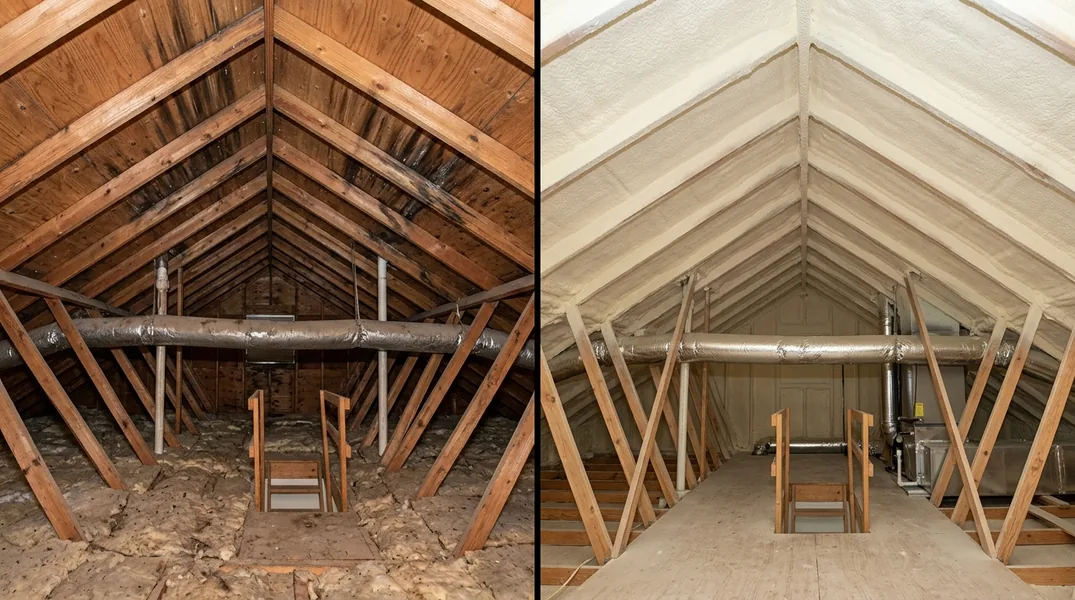
The challenge with these older block structures is that many were constructed with minimal insulation between the blocks or none at all. The concrete blocks themselves offer some thermal resistance, but they conduct heat readily, especially when exposed to the intense Brownsville sun. Over the decades, this has meant higher cooling costs and inconsistent indoor temperatures. Modern insulation technology, particularly Attic Spray Foam Insulation, offers a solution that was simply not available when these homes were originally built.
Is Spray Foam Insulation Worth It for Block Homes?
When evaluating whether spray foam insulation is worth the investment for your mid-century block home, consider both the immediate and long-term benefits. The primary advantage is energy efficiency. Spray foam creates an air-tight seal that traditional insulation materials cannot match, which is especially valuable in Brownsville where air conditioning runs most of the year. Homeowners typically see cooling cost reductions of 20 to 30 percent after proper attic insulation, and these savings compound year after year.
Beyond energy savings, spray foam adds structural integrity to older homes. It fills gaps and voids that may have developed over decades, reducing air infiltration and moisture movement. For block construction, this is particularly important because concrete is porous and can allow humidity and air leakage. Closed Cell Spray Foam Insulation is especially effective for block homes because it resists moisture and provides a vapor barrier, protecting your home from the humid subtropical climate. While the upfront cost is higher than fiberglass batts, the return on investment through energy savings, improved comfort, and home protection makes it worthwhile for most homeowners serious about long-term value.
Is Spray Foam Insulation Safe? Addressing Common Concerns
Safety is a legitimate concern when considering spray foam, and it deserves a straightforward answer. When installed by trained professionals using proper equipment and techniques, spray foam is safe for residential use. The chemicals used in modern spray foam formulations have been tested and approved by the EPA and other regulatory agencies. The key factor is proper installation and adequate ventilation during and immediately after application.
The risks arise primarily from improper installation or DIY attempts. Professional installers at Brownsville Spray Foam Insulation follow strict protocols to ensure that spray foam is applied correctly, with appropriate protective equipment and ventilation. Once the foam has fully cured, which typically takes 24 to 48 hours, it poses no ongoing safety risk to occupants. The material becomes inert and does not off-gas under normal residential conditions. If you have concerns about the safety of spray foam for your specific situation, discussing your questions with a certified installer is the best approach before making a decision.
Spray Foam Off-Gassing and Curing: What Homeowners Need to Know
Spray foam off-gassing is one of the most misunderstood aspects of spray foam insulation. During installation and the immediate curing period, spray foam does release volatile organic compounds (VOCs) as the chemical reaction occurs and the material sets. This is why professional installers require proper ventilation during application and recommend that occupants vacate the area during spraying and for a period afterward. However, this off-gassing is temporary and diminishes rapidly as the foam cures.
The curing process typically takes 24 to 48 hours, during which most off-gassing occurs. After this period, properly installed spray foam becomes stable and inert. Homeowners can safely return to their homes once the installer confirms curing is complete. For attic applications, which is common in mid-century homes, occupants are not typically exposed to the curing process at all since attics are unoccupied spaces. Understanding the difference between temporary, manageable off-gassing during installation and any ongoing concerns is crucial for making an informed decision. Professional installation ensures that off-gassing is minimized and managed safely.
Spray Foam Insulation Pros and Cons: A Balanced Look
Like any insulation method, spray foam has distinct advantages and limitations worth understanding. The primary pros include superior air sealing, high R-value per inch of thickness, resistance to moisture and pests, and long-term durability. Spray foam also works exceptionally well in irregular spaces and around obstacles, making it ideal for older homes with quirky architectural features. For homeowners in Brownsville dealing with hot, humid conditions, the moisture resistance of closed-cell spray foam is particularly valuable.
The cons are primarily related to cost and installation requirements. Spray foam typically costs more per square foot than fiberglass or cellulose insulation, though the superior performance often justifies the expense. Installation must be performed by trained professionals, which adds to the cost but ensures proper application. Additionally, spray foam is permanent and difficult to remove if future modifications are needed, though this is rarely a practical concern for most homeowners. Some people also have concerns about chemical sensitivity, though properly installed foam poses no issues once cured. Open Cell Spray Foam Insulation is available as a lower-cost alternative to closed-cell, though it offers less moisture resistance and slightly lower R-value per inch.
Spray Foam Insulation Problems: Avoiding Common Mistakes
While spray foam is an excellent insulation solution when properly installed, several problems can arise from poor installation or inappropriate application. One common issue is over-application or improper mixing of chemicals, which can result in incomplete curing, reduced performance, or structural issues. Another problem occurs when spray foam is installed without adequate ventilation in occupied spaces, leading to unnecessary exposure to off-gassing fumes. Additionally, using spray foam in spaces where it shouldn't be used, such as directly against certain materials without proper clearance, can create fire safety concerns or cause damage.
The best way to avoid spray foam problems is to hire experienced, certified professionals like those at Brownsville Spray Foam Insulation who understand local climate conditions and building codes. Proper installation includes ensuring adequate clearance from electrical wiring and heat sources, using appropriate foam types for specific applications, and following all manufacturer guidelines. For homeowners considering spray foam, whether for attic insulation or Wall & Injection Foam Insulation, requesting references and verifying credentials is essential. A reputable installer will be transparent about the process, answer your questions thoroughly, and provide clear information about what to expect before, during, and after installation.
Getting Your Free Estimate for Spray Foam Insulation
If you own a mid-century block home in Brownsville and are considering spray foam insulation, the first step is to understand your specific needs and budget. Every home is different, and the right insulation solution depends on factors like your current energy costs, the condition of your attic or walls, your climate goals, and your budget. Brownsville Spray Foam Insulation offers a free estimate that includes a thorough assessment of your home and professional recommendations tailored to your situation.
During a free estimate, our team will evaluate your attic space, discuss your energy efficiency goals, and explain the benefits and considerations of spray foam for your specific home. We'll also discuss pricing options and help you understand the return on investment. There's no obligation, and the consultation itself provides valuable information to help you make the best decision for your home. To schedule your assessment, call Brownsville Spray Foam Insulation at (956) 382-6207 or visit our website to request an appointment. Taking action now to improve your home's insulation is an investment in comfort, energy savings, and long-term home value.
Looking for a professional spray foam insulation contractor in Brownsville? Brownsville Spray Foam Insulation responds fast for all your spray foam insulation needs.
Get a Free Quote