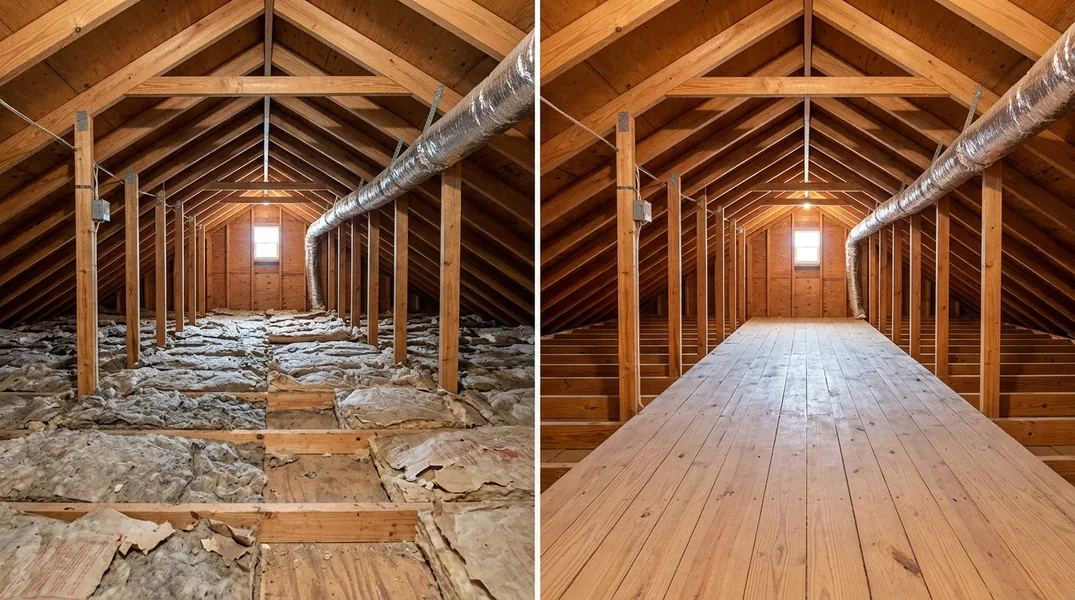
Understanding Open Cell vs. Closed Cell Spray Foam
Before you hire any insulation contractor in Brownsville, you need to understand the two main types of spray foam insulation available for your home. Open Cell Spray Foam Insulation and Closed Cell Spray Foam Insulation are fundamentally different products, and the choice between them will significantly impact your home's energy efficiency, comfort, and long-term performance.
Open cell spray foam is a lighter, more flexible material that allows moisture to pass through. It has a lower density and typically offers an R-value of around 3.5 to 3.6 per inch. This type is generally more affordable and works well for interior applications where you want sound dampening alongside insulation. However, because it's permeable, open cell foam requires a vapor barrier in humid climates like Brownsville, where moisture management is critical to preventing mold and wood rot.
Closed cell spray foam is denser and more rigid, creating a complete moisture barrier. Its higher density means it offers superior insulation performance, with a closed cell spray foam R value typically ranging from 6.0 to 7.0 per inch. This makes it ideal for attics and exterior walls where moisture intrusion is a concern. The trade-off is that closed cell foam costs more upfront, but many homeowners find the improved energy efficiency and moisture protection justify the investment.
What Questions Should You Ask About Spray Foam R-Value?
Understanding Attic Spray Foam Insulation performance means asking your contractor detailed questions about R-value. The closed cell spray foam R value is one of the highest available, but you should ask your contractor what R-value your specific project will achieve based on the thickness they plan to apply. R-value measures thermal resistance, and higher numbers mean better insulation performance. For attic applications in Brownsville's hot climate, most experts recommend an R-value between R-38 and R-60, depending on your current insulation and energy goals.
When discussing Brownsville spray foam projects, ask your contractor how they calculate the total R-value of your system. Some contractors measure only the foam itself, while others account for the existing insulation beneath it. You should also inquire whether the R-value they're quoting is consistent with third-party testing and industry standards. A reputable contractor will be transparent about these details and provide written documentation of the expected performance. Don't hesitate to ask for references from previous customers who had similar projects, so you can verify the contractor's claims about actual energy savings and performance.
How Should You Evaluate Contractor Experience and Licensing?
When you're ready to hire an insulation contractor, verifying their credentials and experience is non-negotiable. Ask whether they hold current licensing from the State of Texas and any relevant certifications from spray foam manufacturers. Most quality contractors will have completed training programs from companies like Dow, Lapolla, or Demilec, which ensure they understand proper application techniques, safety protocols, and material handling. Request proof of liability insurance and workers' compensation coverage, as this protects you in case of accidents or property damage during the project.
Experience matters tremendously in spray foam installation. A contractor who has been installing foam in the Rio Grande Valley for many years understands the unique challenges posed by our humidity levels and temperature fluctuations. Ask how many Attic Spray Foam Insulation projects they've completed in the past year, and specifically how many in homes similar to yours. Ask about their approach to ventilation, moisture management, and building code compliance. The best contractors will discuss how they handle the specific challenges of attic insulation in a humid climate, including proper air sealing and vapor barrier installation.
What Should You Know About Pricing and Getting an Accurate Estimate?
Understanding spray foam insulation pricing requires getting detailed quotes from multiple contractors. When you request a free estimate, the contractor should visit your home in person to assess the scope of work. They should measure the square footage of your attic, identify any existing insulation, check for air leaks, and evaluate moisture conditions. A thorough estimate will break down costs by material, labor, and any additional services like air sealing or mold remediation. Be wary of contractors who provide quotes over the phone without seeing your property, as they cannot accurately assess your needs.
The cost of spray foam insulation varies based on whether you choose open cell or closed cell foam, the thickness required, and the complexity of your attic layout. Closed cell foam typically costs more per square foot but delivers superior performance and moisture protection. Ask your contractor to explain what's included in their price and what might trigger additional charges. For example, if they discover rotted wood or mold during the project, that could add to the final cost. Request a written contract that clearly outlines the scope of work, materials to be used, timeline, and total cost. This protects both you and the contractor and ensures everyone understands expectations before work begins.
Attic Spray Foam Insulation Near Me: When to Call a Professional
If you're searching for quality Attic Spray Foam Insulation services near you in Brownsville, timing is important. The best time to upgrade your attic insulation is during cooler months when temperatures are more comfortable for the application process and you're not running your air conditioning at full capacity. However, professional spray foam contractors can work year-round, and many homeowners find that addressing insulation issues before the hot summer season helps reduce cooling costs significantly.
Call a professional if you notice signs that your current insulation is failing, such as uneven temperatures throughout your home, higher than normal energy bills, moisture stains on your attic ceiling, or visible mold growth. If your home was built more than 15 to 20 years ago, your insulation may have settled or degraded and no longer provides adequate protection. Brownsville Spray Foam Insulation can assess your attic's current condition and recommend whether open cell or closed cell foam is best for your situation. Contact us at (956) 382-6207 to schedule your inspection and receive a detailed estimate for your project.
Important Questions About Installation and Post-Project Support
Before work begins, ask your contractor about their installation process and timeline. How long will the project take? Will they need to remove existing insulation, or will they spray over it? What safety measures will they implement to protect your home and family during installation? A professional contractor will explain that spray foam requires proper ventilation during application and may recommend that you and your family leave the home for several hours while the foam cures. They should also discuss how they'll protect your belongings and other areas of your home from overspray.
Post-project support is equally important. Ask what warranty comes with the spray foam installation and what it covers. Most manufacturers offer warranties of 20 to 30 years against defects in the material itself, but installation quality matters. Ask whether your contractor offers any guarantees on their workmanship and whether they provide follow-up inspections. If you experience any issues after the project is complete, you want to know that your contractor will stand behind their work. Get everything in writing, and don't hesitate to ask for clarification on any terms or conditions before signing your contract.
Looking for a professional spray foam insulation contractor in Brownsville? Brownsville Spray Foam Insulation responds fast for all your spray foam insulation needs.
Get a Free Quote